Social Media Safety


6 Ways to Shop Safely Online
Social media shopping can be convenient, but it also creates opportunities for fraudulent sellers to exploit unsuspecting customers. Not every social media advertisement or online seller is genuine.
Social media shopping can be convenient, but it also creates opportunities for fraudulent sellers to exploit unsuspecting customers. Not every social media advertisement or online seller is genuine.
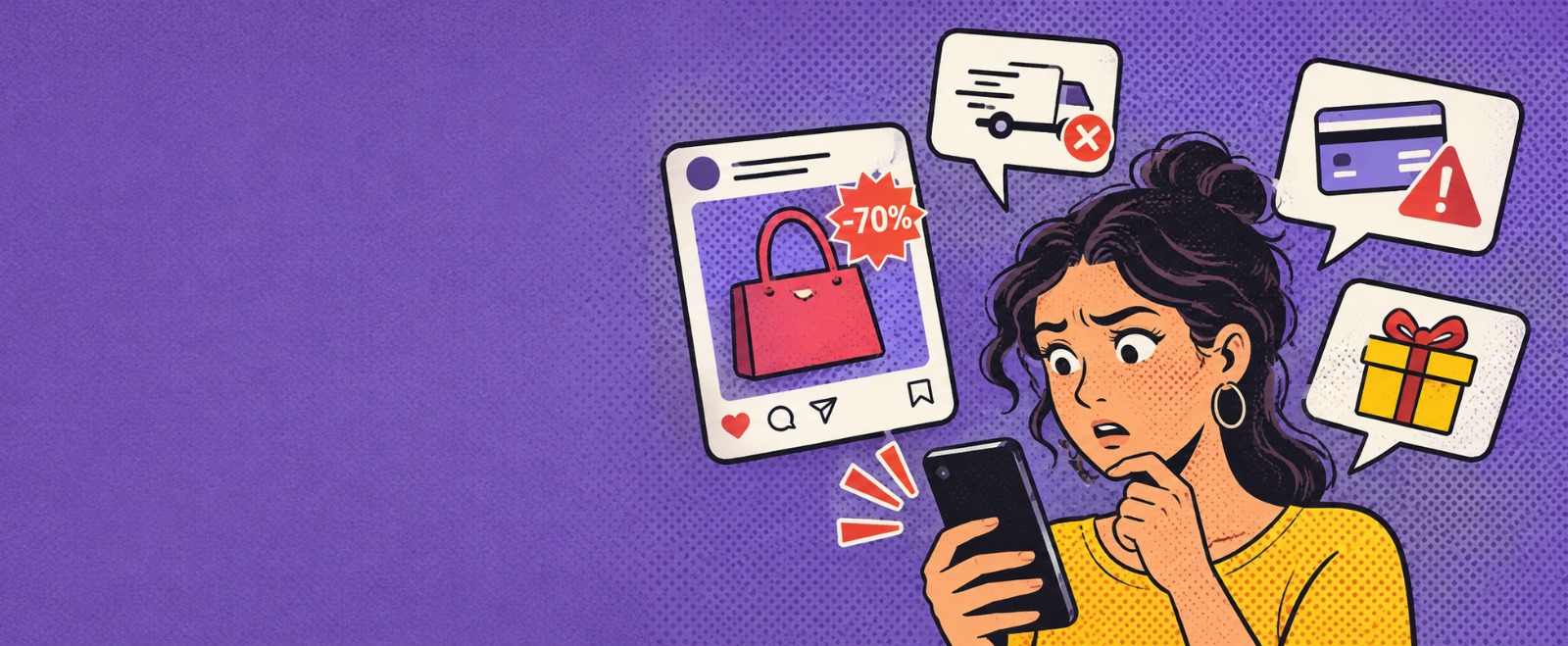
Y ou’re scrolling through Instagram when an advertisement of a popular clothing brand offers a limited-time sale. You place an order and transfer ₹1,499 through UPI.
You receive a confirmation message promising delivery within five days. However, the package never arrives. Your messages go unanswered, and when you revisit the seller’s profile, the account has disappeared.
That’s how many social media shopping scams unfold.
The GSMA India Consumer Scam Report 2025 found that 43% of surveyed Indian consumers had fallen for fake business profiles online. Among the victims, 33% identified social platforms as a channel through which they were contacted. The National Consumer Helpline recorded 4,997 grievances in 2024, which increased to 7,221 in the first half of 2025.
These findings demonstrate the seriousness of the issue and indicate consumer’s need to be cautious while purchasing online.
Here are six ways to recognise and avoid social media shopping scams.
Fraudsters advertise branded products frequently at unrealistic discounts, say 80-90% off to create urgency. Such offers urge shoppers to purchase without checking the seller’s authenticity.
Compare product prices with the brand’s official website or authorised retailers; investigate before purchasing.
Also Read: Festive Season Scams to Beware Of
Fraudulent sellers often create fake social media business accounts using logos, photographs and paid promotional strategies to appear credible, unlike the genuine ones.
Check the seller’s account history, tagged posts, business details, and independent online reviews before making a transaction.
Some fraudsters make customers transfer money to personal UPI IDs or bank accounts over a recognised payment gateway.
Once the payment is completed, they may stop responding or block the customer.
Always pay via secure payment gateways and known shopping platforms.
Fake sellers may publish fabricated customer reviews, edited screenshots of payment confirmations and misleading product testimonials to establish credibility.
Look for reviews on independent platforms, genuine customer photographs and experiences instead of testimonials on the seller’s page.
Scammers sometimes send fake order confirmation, delivery, refund or payment links via DMs, which may redirect customers to phishing websites designed to steal sensitive information.
Never share OTPs, UPI PINs, passwords or card details through suspicious links. Type the official website address instead of clicking unfamiliar URLs.
Fraudsters often insist that customers make full or partial payments in advance before processing an order. They may refuse cash on delivery (COD), claiming that it’s unavailable, or even offer additional discounts as an incentive.
Avoid paying against those incentives, especially if asked to do through an unfamiliar personal account.
In conclusion, the next time an online deal catches your attention, pause before you pay. A few minutes of verification could save you from a costly mistake. Recognising suspicious advertisements, verifying sellers and using secure payment methods can help consumers avoid financial losses.
Remember, an attractive offer does not necessarily mean a genuine opportunity. Think before clicking, verify before buying and report suspicious activity immediately.
1. What are social media shopping scams?
Scams executed through social media platforms like Instagram and Facebook to to collect customer’s money or sensitive financial information without delivering on their promises.
2. How can I identify a fake Instagram shopping page?
Look for unusually low prices, copied product photographs, fake customer testimonials and missing business details.
3. Is it safe to buy products through Instagram advertisements?
Fraudsters can use paid promotions to make fake stores appear legitimate. Before purchasing, verify the seller’s profile, check independent reviews, and pay through recognised and secure payment channels.



Bedigisafe.com aims to be the go-to online repository of educational resources on digital safety for all generations, offering comprehensive guidance on topics such as social media safety, financial transactions, and fact-checking information related to online security.


Connect, share, make your friends and family safe.