Social Media Safety


How Malware is Used for Fraud
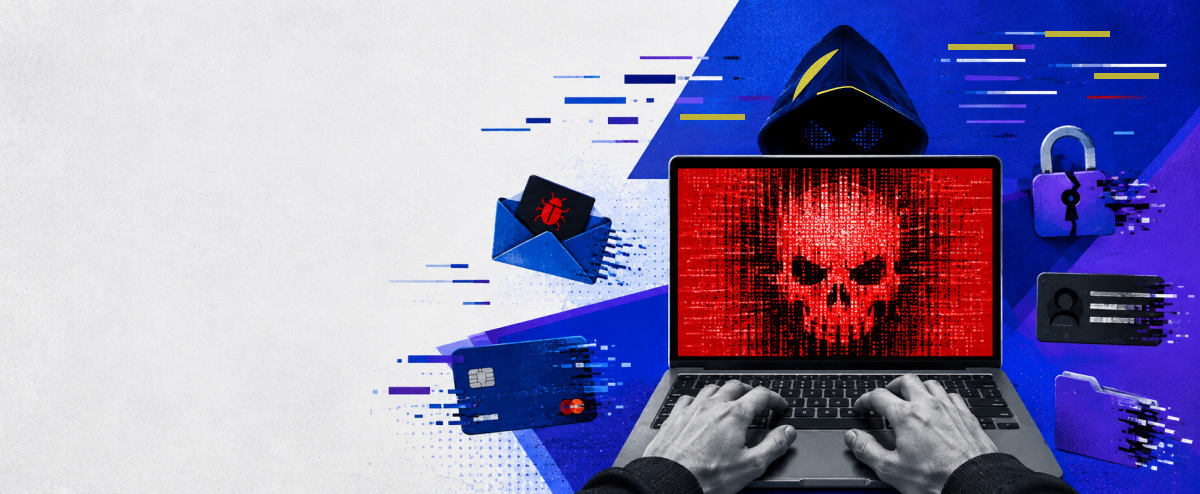
Malware is one of the most common tools used for fraud. It can compromise devices and lead to details being leaked.
Malware is one of the most common tools used for fraud. It can compromise devices and lead to details being leaked.
I magine you see a game that looks fun and you decide to download it. It looks completely normal, but what you don’t realise is that it’s unlocking a door inside your phone that can see everything and steal personal information.
Malware is essentially a shorter form of malicious software. This means it’s software that’s meant to infect systems and steal personal information or keep track of what users are doing. It is often used to commit fraud.
1. Eyes on you: Malware can act as a spy and pick up personal information on you from your device. This could mean having access to sensitive materials as well, such as photographs, banking details or passwords.
2. Banking issue: Malware can take away information related to your financial details, leading to loss of money without you even knowing.
3. Duplication of device: All data stored in your device can be duplicated. In fact, the scammer may be able to take actions on your behalf by manipulating your device with enough information or security details.
1. Downloading apps: Usually, malware is designed into gaming apps to lure people into downloading and opening them. Not many people would wish to check if a game is credible as such and would download it simply for the reason that it seems interesting. Malware may be included within updates suggested by the app or encouragement of discounted payments to level up through clicking on a link. You may also come across advertisements that display gaining money within minutes by downloading an app. Due to temptation, one ends up downloading it, and along with it, the malware.
2. Employment: Jobs are often used as a ruse to attract people searching for work into downloading files or accessing links.
3. Packages and couriers: Delivery sites tend to communicate via SMS by giving you updates. You may get a fabricated message from a delivery company claiming something false about your package that may not even exist. This may make you panic and click the link within the SMS.
Also Read: Why APK Files Cannot be Trusted
1. Apps make strange demands: An app may demand that you click on links or reveal information that may not be needed for the game.
2. Redirection of links: The links seem to open on websites that don’t seem secure.
3. Random ads: Ads may start popping up on your device or on texting apps
1. Don’t click on strange links.
2. Check details behind what you download.
3. Scan through the permissions that any app asks for.
4. Have security applications installed, such as antivirus security tools.
If you think that you have accidentally clicked on something or downloaded a file/app that’s suspicious or may be fraudulent, immediately stop sharing any permissions or information with it and change all security passwords immediately. If financial loss is involved, then contact your bank. The sooner a report is filed, the quicker any action gets taken.
Malware frauds are very risky because they cannot only lead to financial loss but also collect personal information on you that can be used in various ways against you, often for the scammer’s benefit. It might also damage your system.
We should be more careful with what we interact with and what we download on our devices. Our device is like a home that we must protect from a thief. Once a thief like malware enters, your possessions- such as your private data- become at risk immediately.



Bedigisafe.com aims to be the go-to online repository of educational resources on digital safety for all generations, offering comprehensive guidance on topics such as social media safety, financial transactions, and fact-checking information related to online security.


Connect, share, make your friends and family safe.