Social Media Safety


5 Ways to Avoid a Data Breach
Key takeaway: What is a data breach, and how to protect yourself in case of one.
Key takeaway: What is a data breach, and how to protect yourself in case of one.
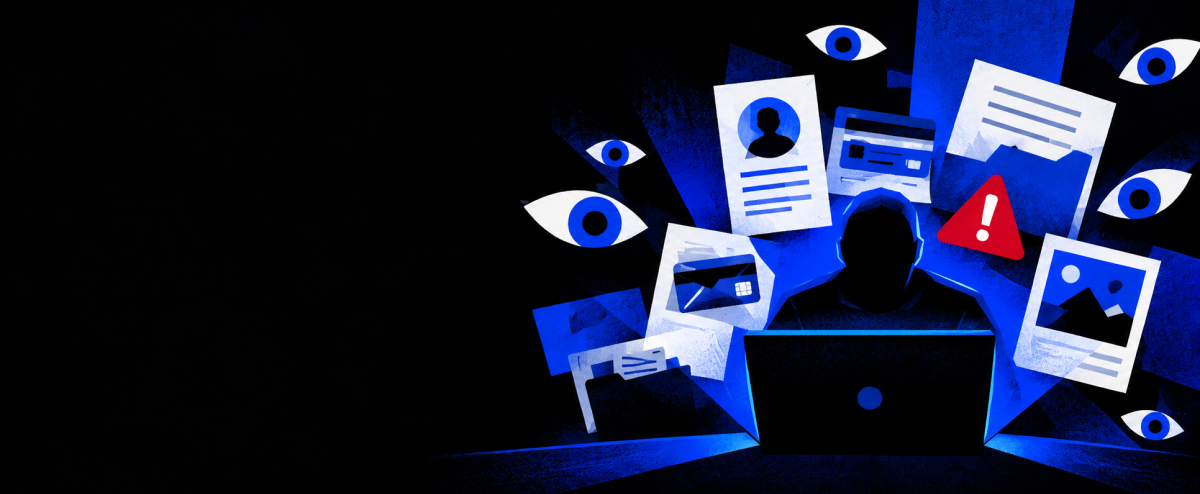
J ust imagine receiving a message from someone claiming to be a bank representative, say from Unit Trust of India (UTI). They know your names, registered mobile numbers, branch details and other sensitive information. They inform you that your account requires urgent verification and send you a link. The link looks convincing enough to click.
This is how fraudsters appear legitimate on the surface and use these tactics to access and exploit confidential details. An alleged data breach brings this risk into focus.
On 21st October 2026, one of the biggest national banks disclosed a suspected customer-data exposure on the dark web. It is a part of the internet requiring specialised software and often used for illegal activities, including identity fraud and circulating stolen information, highlighting concerns about data privacy, identity theft and targeted financial fraud.
Approximately 3.75 lakh records were examined, of which 3,897 contained personally identifiable information (PII). The bank activated its incident response procedures and eventually informed the affected customers to assure them that their account balances were safe.
Also Read:How Malware is Used For Fraud
Here are some precautions you can take to prevent your information from getting leaked:
1. Never share OTPs or PINs – Do not disclose OTPs, ATM PINs, or internet banking passwords to callers, even if they know your personal details.
A bank employee will never tell you to disclose these details.
2. Verify messages independently – If someone claims to be a bank representative and tells you that your account or debit card will be suspended, don’t panic. Use the official banking channels to verify the request rather than clicking unverified links or installing remote-access applications at the request of an unknown caller.
3. Avoid suspicious links – Don’t enter banking details on pages opened through any fraudulent SMS, email or WhatsApp links. Fraudsters may use these communication channels to create panic.
Example: A message might claim that your bank account will be blocked unless you complete KYC verification immediately.
In such circumstances, ensure you:
• Don’t download attachments or install apps from unverified sources.
• Verify requests through bank’s official website, app or customer-service channels.
• Never approve a UPI payment request simply to receive money.
4. Monitor account activity – Check transaction alerts and bank statements. If you spot a transaction you didn’t authorise, report the incident and secure the affected accounts.
5. Report fraud quickly – If you have inadvertently disclosed sensitive information, contact your bank immediately, and follow their guidelines. If you suspect financial cyber fraud in India, call 1930 and file a complaint through the National Cyber Crime Reporting Portal.
In conclusion, in an increasingly digital financial ecosystem, safety is not just about protecting passwords. Even though your bank account can remain secure, exposed personal information may be used to make phishing and impersonation attempts more convincing.
This incident highlights the importance of staying informed, verifying unexpected requests and never letting urgency override basic digital safety practices. Personal information is valuable and must be protected.
Verify first and act second.



Bedigisafe.com aims to be the go-to online repository of educational resources on digital safety for all generations, offering comprehensive guidance on topics such as social media safety, financial transactions, and fact-checking information related to online security.


Connect, share, make your friends and family safe.