Elders


Why People Fall For Digital Arrest
Why do so many people fall for digital arrest? What about it makes so many people vulnerable?
Why do so many people fall for digital arrest? What about it makes so many people vulnerable?
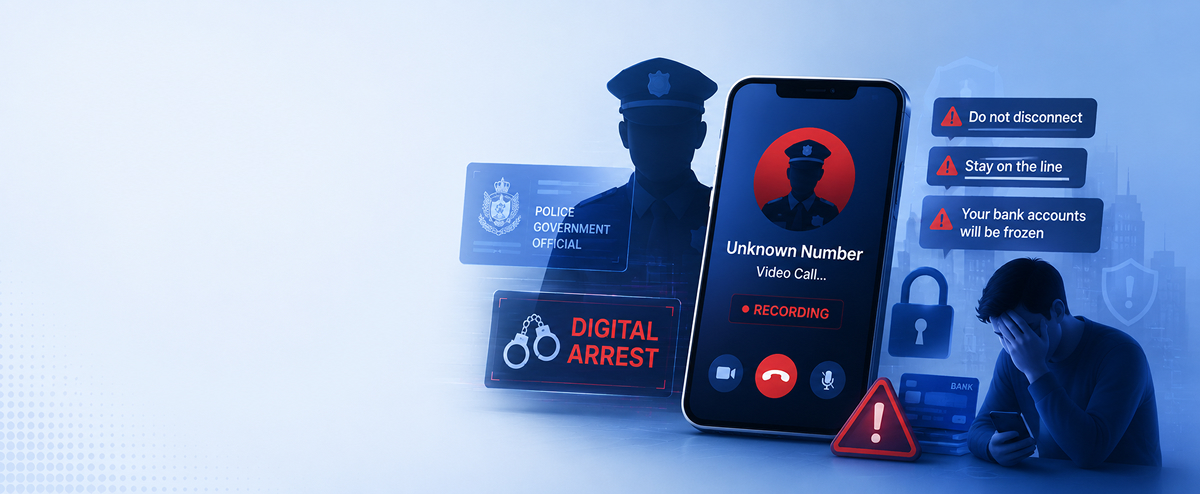

S omeone calls you claiming to be a police officer. They show you a convincing identity card, speak in an authoritative tone, and tell you that your phone number, bank account, or identity documents have been linked to a serious crime. Before you can process what is happening, they warn you that you are under “digital arrest” and must remain on the call until the investigation is complete. Terrifying as it sounds, this is a scam—and thousands of people have fallen victim to variations of it.
One of the biggest reasons people fall for digital arrest is fear. When someone suddenly tells us that we are connected to a serious crime, our natural response is panic. The scammer deliberately exploits this reaction.
Under extreme stress, people often focus on escaping the immediate threat rather than questioning whether the situation makes sense. A victim may think, “I must prove my innocence quickly,” rather than, “Why would a genuine police officer investigate me through a random video call?”
Also Read: Protecting Personal Information While Using Social Media
Scammers understand that people tend to obey figures who appear powerful or official. By pretending to be police officers, judges, customs officials, or government employees, they borrow the credibility associated with these institutions.
They may use official terminology, fake case numbers, forged documents, and realistic uniforms to reinforce the deception. The more convincing the performance appears, the less likely a frightened victim may be to question it.
Another powerful tactic is isolation. Victims may be instructed not to tell family members, friends, or colleagues about the investigation. Scammers can keep them on a video call for hours, preventing them from seeking a second opinion.
This isolation is important because an outside person may immediately recognize the warning signs. By cutting victims off from their support networks, criminals make it easier to control their decisions.
Modern technology has made impersonation easier than ever. Fraudsters can manipulate caller IDs, create convincing documents, use edited videos, and exploit publicly available personal information. Even a cautious person can be deceived when several false clues appear to confirm the scammer’s story.
However, technology is not the only reason these scams succeed. Social engineering—the manipulation of human emotions and behaviour—is at the heart of digital arrest fraud.
Digital arrest scams succeed not because victims are foolish, but because criminals deliberately exploit fear, authority, urgency, and isolation. Understanding these psychological tricks is one of the strongest forms of protection. When an alarming call demands immediate action, the safest response is to pause, verify, and seek help. In the digital world, staying calm can be your first line of defence.



Bedigisafe.com aims to be the go-to online repository of educational resources on digital safety for all generations, offering comprehensive guidance on topics such as social media safety, financial transactions, and fact-checking information related to online security.


Connect, share, make your friends and family safe.