Elders


How to Keep Your Parents Safe from Fraud
Our parents may not always be aware of the latest frauds. Even a slight lack of awareness may lead to them losing money.
Our parents may not always be aware of the latest frauds. Even a slight lack of awareness may lead to them losing money.
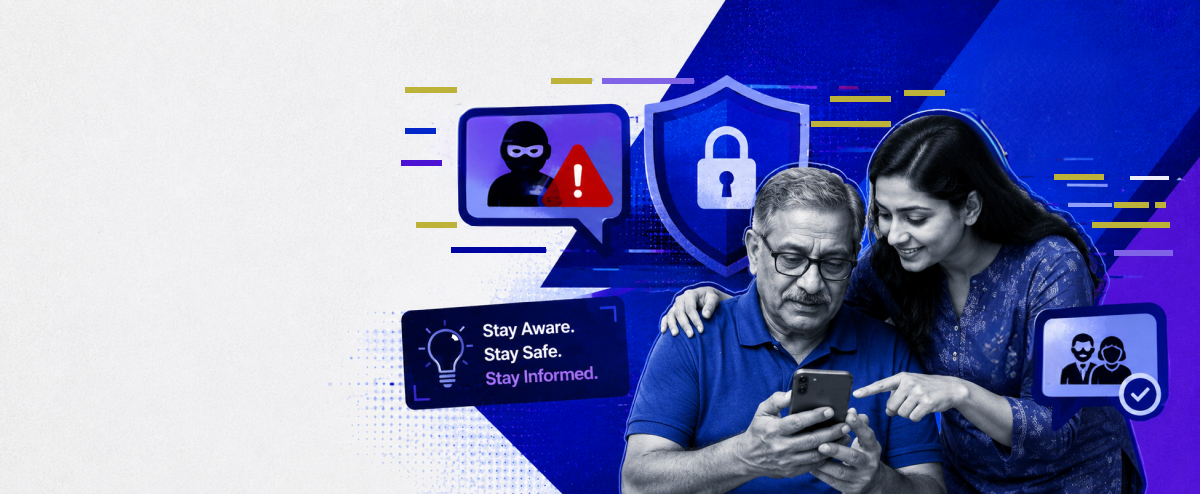

Y our father keeps getting calls that claim to be from a bank. They ask for bank details and say that, if not shared, his bank account might be suspended. He thinks it is a genuine call to which, if he does not listen, he might end up in trouble. He gets scared and ends up sharing the information. What he doesn’t realise is that this was a scam.
In the modern day, where technology is evolving and new kinds of methods are being generated, it’s also easier to execute different types of frauds. Adults or older people who aren’t accustomed to such changing technology may not be aware most of the time of the risks that come with it. To them, it’s something new and exciting. Something they find challenging to understand. So, it’s important to keep them informed about various types of fraud and how to recognise them.
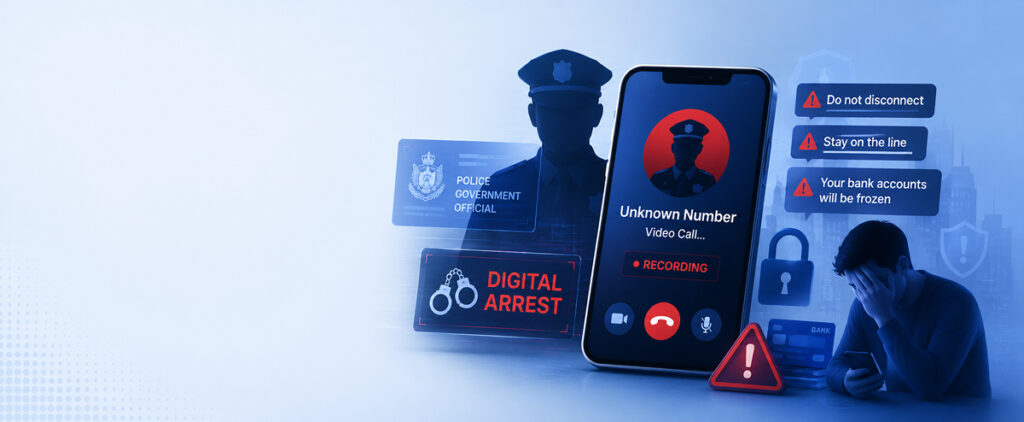
Parents, often because they are older and experienced, like to believe that they would just know when they come across a scam. But fraudsters are becoming increasingly better at covering up their acts. They are building scenarios which are convincing and seemingly authentic, such as digital arrest. So, it’s not as simple as just knowing it’s a scam based on the looks of it.
Also Read: How AI is Used For Fraud
1. Check news reports: If not newspapers, then even online news channels and websites constantly share news and updates on scams that have recently occurred. Usually, these come with warnings, risks, precautions and solutions.
2. Have discussions and share information: If you discuss with others, then you can learn whether it’s a scam or not, or what actions you should take.
3. Be careful and curious: No one can know everything. It’s important not to be overconfident and to verify everything that you see.
4. Don’t trust everything on social media: Social media is the most prevalent platform for the spread of fake news and for different types of fraud. Always check for a trustworthy source behind everything you read and see.
1. Financial scams. These are scams that aim for your money. They target your bank information and financial details. They are most likely to ask for your OTP, bank account details or passwords.
2. Fake calls from government organisations. Threatening calls may be made on behalf of apparent government organisations. Remember that there are official platforms where you can verify claims made on these calls. If you are threatened with arrest, then contact other official agents or people to clear everything.
3. OTP scams. Calls might come across that tell you to share an OTP for packages you never ordered or for transactions you never made. These are also closely tied to package scams.
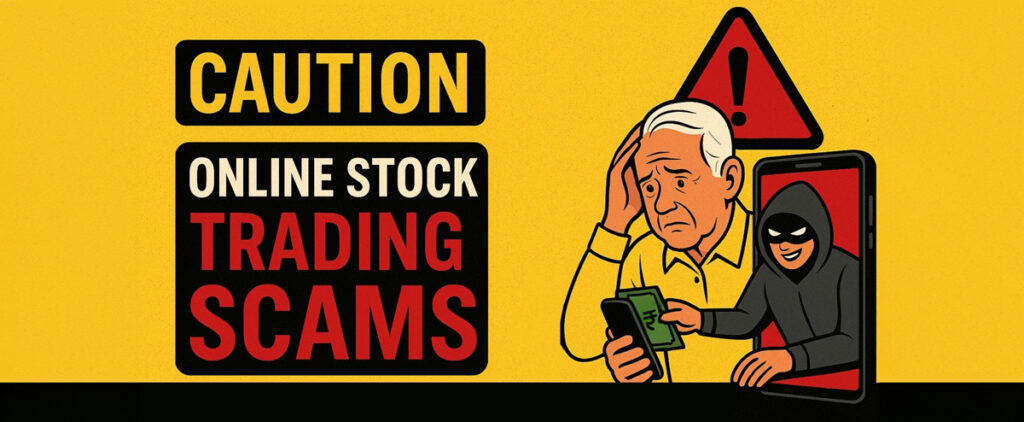
4. Job and investment scams. Not every easy employment or easy money ad is genuine. Most often they are not. If money is made that simply, then it’s probably not genuine.
5. Donation scams. It’s very easy to find yourself moved by a plea for donation. Remember that not all stories are true and can just be created to gain sympathy. The main intention will be to extract money from you.
1. Always verify.
2. Do not fall for urgency or panic.
3. Take time in making decisions.
4. Do not share personal information.
5. Check before making any money transactions.
6. Keep security software installed on devices.
It is scary to know how modified technology is getting. It’s getting increasingly difficult to differentiate the fake from the truth, the scam from something genuine. It must be even more challenging for parents and older adults who have not been used to this growing digital age.
Parents and older adults should not feel alone in navigating tricky situations such as possible scams or fraud. They can lead to serious damage. Instead, they should be kept informed so that they can learn to be careful.




Bedigisafe.com aims to be the go-to online repository of educational resources on digital safety for all generations, offering comprehensive guidance on topics such as social media safety, financial transactions, and fact-checking information related to online security.


Connect, share, make your friends and family safe.