Social Media Safety


How AI is Used For Fraud
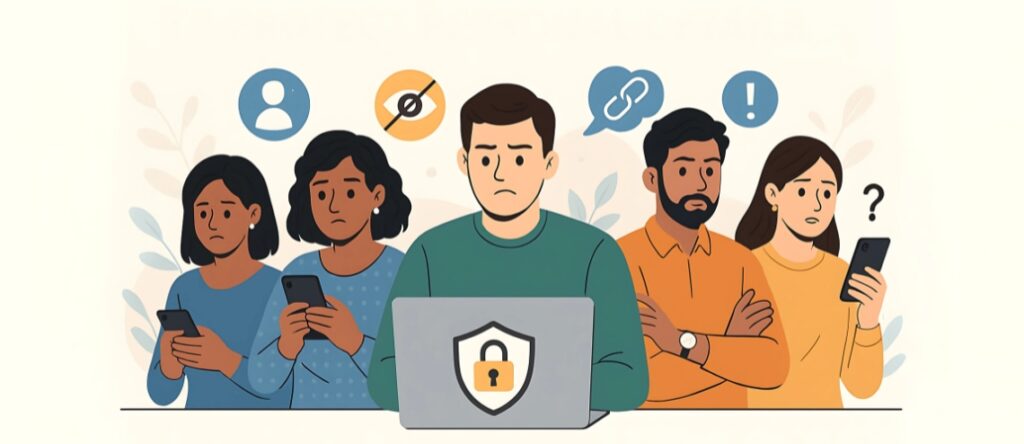
AI is a powerful tool. However, in the wrong hands it can be used for nefarious purposes such as digital fraud.
AI is a powerful tool. However, in the wrong hands it can be used for nefarious purposes such as digital fraud.

I n today’s age, artificial intelligence (AI) is like a superpower. In the hands of the right people, it can solve problems and improve efficiency in tasks. However, this same power, when it falls in the wrong hands can be used to deceive and trick people.
As technology is developing, so are methods of carrying out fraud. Digital fraud typically includes using the Internet or devices to get access to someone’s personal information, bank details or money. When AI’s power comes into the hands of scammers, they use it to carry out tasks they previously had to put in a lot of effort for.
Now, they can simply ask AI to create fake websites or manipulate pictures. Not only that but AI can help in the ideation of a scam itself by choosing a target. For example, if someone was planning a real estate scam, AI can scour through various social media pages and websites to see who has recently posted about looking for a house. This helps the scammer choose a person to target, someone who would be likely to fall for the trap.
1. Voice imitation. AI can be used to clone someone’s voice by studying speech patterns, tone, accent and pronunciation. Using this information, they can create new sentences with this cloned voice. Scammers often use this tool to make fake calls to people, pretending to be someone else. For example, AI can pretend to be someone’s friend or child and ask for money. They can add panic to their tone so that the victim would be in a rush to send money without verifying anything.
2. Write messages. AI can help frame messages that have good grammar and are structured perfectly, making them look authentic and convincing. They sound professional and are like messages that real companies write. Usually, these texts or perfectly drafted emails have to do with verifying one’s identity, providing account details, completing one’s payment, etc. They can also function as a company’s customer help and ask for details to “provide solutions”.
3. Fake photos and videos. A scary phenomenon that has been happening recently is the rise in fake photos and videos (deepfakes). AI generated videos are increasing and can be seen in a high amount on social media platforms. These AI models study facial expressions and speech patterns to create realistic impressions of a person speaking. This fake person in the created video can ask for you to transfer money, making it look believable. Pictures can also be manipulated and used on apps and websites, making a person look different than who they really are.
Also Read: 5 Critical Steps to Protect Yourself from ‘Digital Arrest’ Scams
4. Fake identities. Manipulated pictures can be utilized to create a separate identity in itself – one with different contact details and made-up information such as address and qualifications. Authentic looking websites can be created that look like the real one (of a bank or a company). These websites may ask for information and since everything would seem genuine, the victim may feel it’s safe to share one’s data.
AI is not dangerous or a crime. In fact, it can be used to aid you in learning and understanding. It’s only when one uses it for the wrong intentions, that AI poses a threat to one’s personal information and safety.



Bedigisafe.com aims to be the go-to online repository of educational resources on digital safety for all generations, offering comprehensive guidance on topics such as social media safety, financial transactions, and fact-checking information related to online security.


Connect, share, make your friends and family safe.