Common Scams




W
hat is the purpose of a CCTV?
It records the comings and goings at public places, and also the places we hold dear. It is a symbol of ethical surveillance and safety.
It protects us from various dangers and serves as a deterrent against crime. But the same protector, if not protected, can crumble and even become a tool for hackers. In their hands, it can help them commit some of the most heinous crimes.
More than mere security fixtures, CCTVs are intelligent, networked devices that are tied directly to the internet and your private data.
Many of them remain protected by factory-set default passwords such as “admin123”. This creates a great vulnerability, ripe for cybercriminals to exploit.
Case in point, a recent incident in Rajkot showed how weak and unsecured CCTV systems can be misused. Hackers took control of hospital cameras still using default passwords. They illegally extracted and circulated sensitive footage, an estimated 50,000 clips, online for nine months. The breach exposed patients to severe privacy violations and illuminated how poorly secured surveillance systems can quickly turn from protectors into tools for serious cybercrime.
How does CCTV hacking work?
Pre-configured in every CCTV system and digital device is a set of login credentials created by the manufacturer. The factory default usernames are there to facilitate initial setup. They are widely known and easily guessable, having been published in product manuals.
This makes the job of hackers easier. They use automated tools to scan internet-connected devices and try common login combinations. The devices still using default credentials become easy pickings.
Research suggests that most surveillance systems ship with weak default settings, and that many users never change them after installation. These default passwords, like ‘1234’, ‘admin123’, or ‘admin’ provide no credible barrier, leaving the door open for threats.
How to secure your CCTV System?
- Change Default Passwords -
Replace factory passwords as soon as a camera is installed. You can craft a strong and unique password with a mix of uppercase and lowercase letters, numbers, and symbols. To make the password as strong as possible, avoid easily guessable patterns. - Use Strong Authentication -
Enable two-factor authentication (2FA) wherever possible. It works to make unauthorised logins difficult, building an extra layer of defence beyond your password. - Update Camera Firmware Regularly - It is important that you keep the camera firmware and any connected software up to date. Manufacturers often release updates, intended to patch vulnerabilities in the system that could otherwise be exploited.
- Secure Network Access - Keep your surveillance systems on a segmented network separate from your main network. This diminishes the risk of lateral access if one device is compromised.
- Disable Remote Access Feature - Not every user needs to view the camera footage remotely. Turn off remote access services or use secure VPN connections instead of exposing ports directly to the internet.
- Monitor the Access Logs Regularly - Keep login activity and system logs under regular review. This helps identify unauthorised attempts or unusual access patterns.
What If Your System Is Compromised?
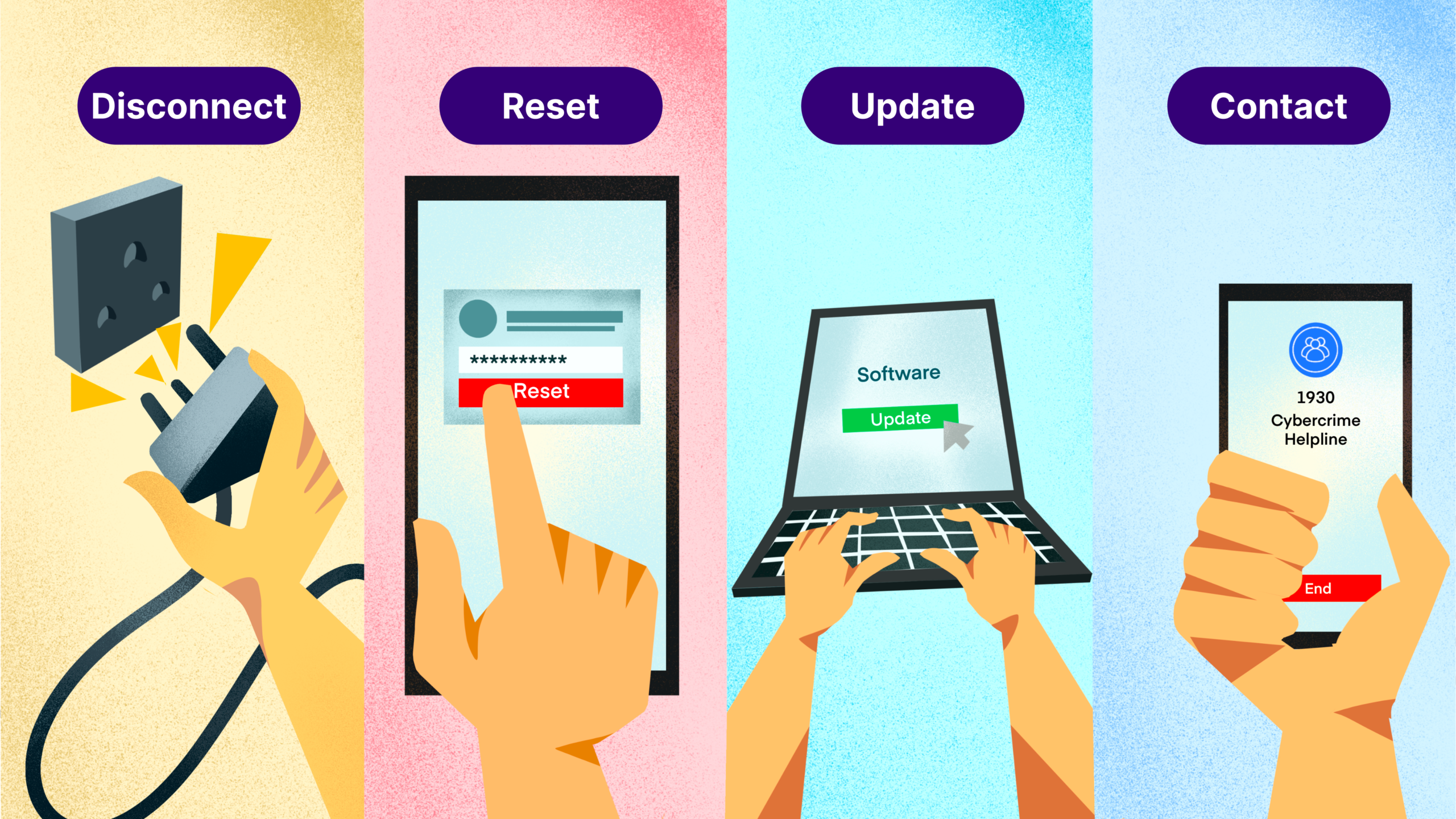
If you suspect your CCTV system is compromised, do the following:
- Disconnect your device immediately. Taking the device offline eliminates the chances of further external access.
- Reset all the credentials. Changing the admin and user credentials is a good tactic to block intrusion attempts.
- Check and apply the latest firmware updates to your device.
- Contact the local cybercrime unit or law enforcement agency. Provide logs or forensic data to aid in their investigation.
Digital threats are all around us, and awareness and action are our best defence against them. All it takes is taking a few simple steps of caution, like replacing default passwords, to prevent catastrophic fraud and heinous crimes. They can go a long way in safeguarding privacy and human dignity.


Related Articles