Minors


Social Media Danger for Minors: Safe Social Media Usage
Social media may seem innocent, but it is full of dangers for children. Knowing how to deal with them can help make it a safe and enjoyable experience.
Social media may seem innocent, but it is full of dangers for children. Knowing how to deal with them can help make it a safe and enjoyable experience.
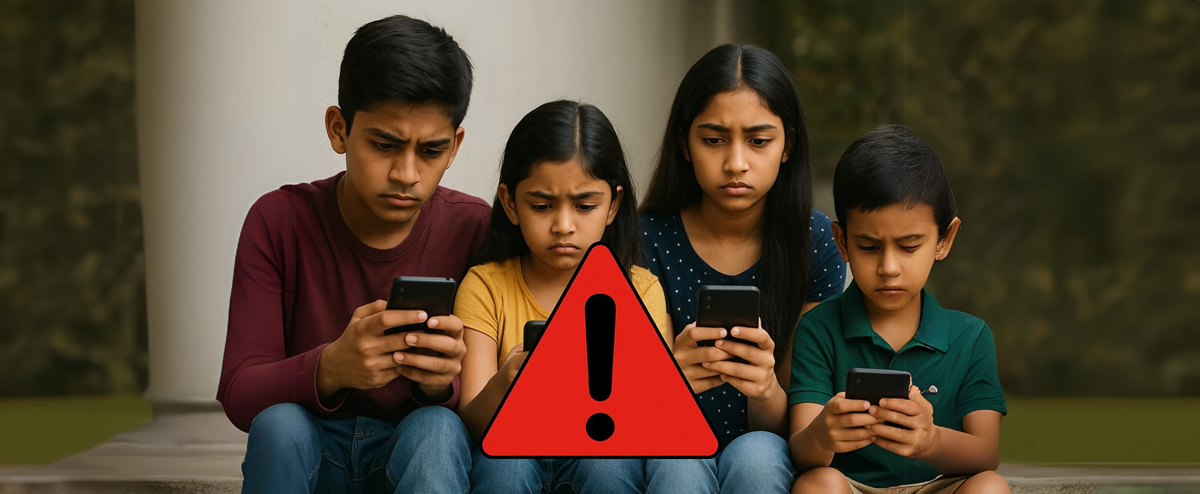
F or today’s kids, friendships are often built in a world made up of likes, emojis, and DMs. Digital life isn’t all bad, and while that may seem harmless, it still comes with hidden risks we can’t ignore. As parents, you can be guiding them instead of only guarding them, because your kids need help balancing the online with the offline.
When used wisely, social media can help your child:
Also Read: What is the Dating App Scam?
1. Less Talk, More Text = Less Confidence
Social skills grow with real-life practice. When friendships happen mostly online, there’s less emotional risk, and consequently less growth. Talking in person takes courage, especially when there’s a disagreement. But those difficult conversations help kids grow emotionally. No wonder many kids now say phone calls feel “too intense.” If they don’t get enough practice talking, they may grow into adults who feel nervous even in regular conversations including job interviews, romantic relationships, or even simple phone calls.
2. Cyberbullying and the Pressure to Be Perfect
Cyberbullying happens online through messages, images, or videos. 64% of teens report seeing hate-based content. Social media makes it easier to be cruel. Kids may say things online they’d never say face-to-face. As pre-pubescent or teenaged children social media gives them a place to lash out, that often happens in unhealthy ways.
There’s also the constant pressure to look perfect. From Instagram to Snapchat, kids carefully edit their photos, their captions, and their entire online identity. Everyone seems happier, cooler, more successful. This can leave your child feeling left out or “not good enough.” And that’s a dangerous hit to their self-esteem.
3. Hyperconnected but Lonely
Kids today are never really alone. Apps track their location, and group chats buzz 24/7. New “etiquette rules” on platforms like Instagram (e.g., tagging certain friends) can fuel exclusion, especially among preteens and girls. Kids may feel rejected or “ranked” based on social media behaviour.
For example, when someone doesn’t reply to a message? That silence can feel like rejection. It’s easy for a teen to spiral: “Why didn’t they respond? Are they ignoring me?” Worse, friendships can end with a simple “seen” and no closure. This emotional uncertainty leaves kids confused, hurt, and insecure.
Also Read: Cyber Manners 101: How to Stay Respectful and Safe Online
1. Online Predators
2. Dangerous Trends
3. Mental Health Tics
Constant social media use has been linked to:
4. Addictive Behaviour
5. Cyber Crime Risks
Social media can expose children to serious cyber crimes such as:
Even simple actions like clicking on a link or joining a group can open the door to exploitation.
1. Model Good Behaviour
Start with yourself. Yes, really. Kids learn from what they see. If you’re glued to your screen, they’ll think that’s normal.
2. Delay Social Media if You Can
Just like you wouldn’t hand over the car keys to a 13-year-old, don’t rush to give them a phone or social media account. The later they start, the better they’ll handle it.
If they’re already online, be present. Follow them on platforms, but don’t snoop unless there’s a strong reason. Trust builds confidence. Spying breaks it.
3. Limit Screen Time
4. Watch for Red Flags
Social media use might be a problem if you notice:
5. Teach Digital Literacy
6. Protect Private Information
7. Consult a healthcare professional if your child:
8. Be open to honest conversations



Bedigisafe.com aims to be the go-to online repository of educational resources on digital safety for all generations, offering comprehensive guidance on topics such as social media safety, financial transactions, and fact-checking information related to online security.


Connect, share, make your friends and family safe.