Financial Safety


Bank Account Frozen? What You Should Know
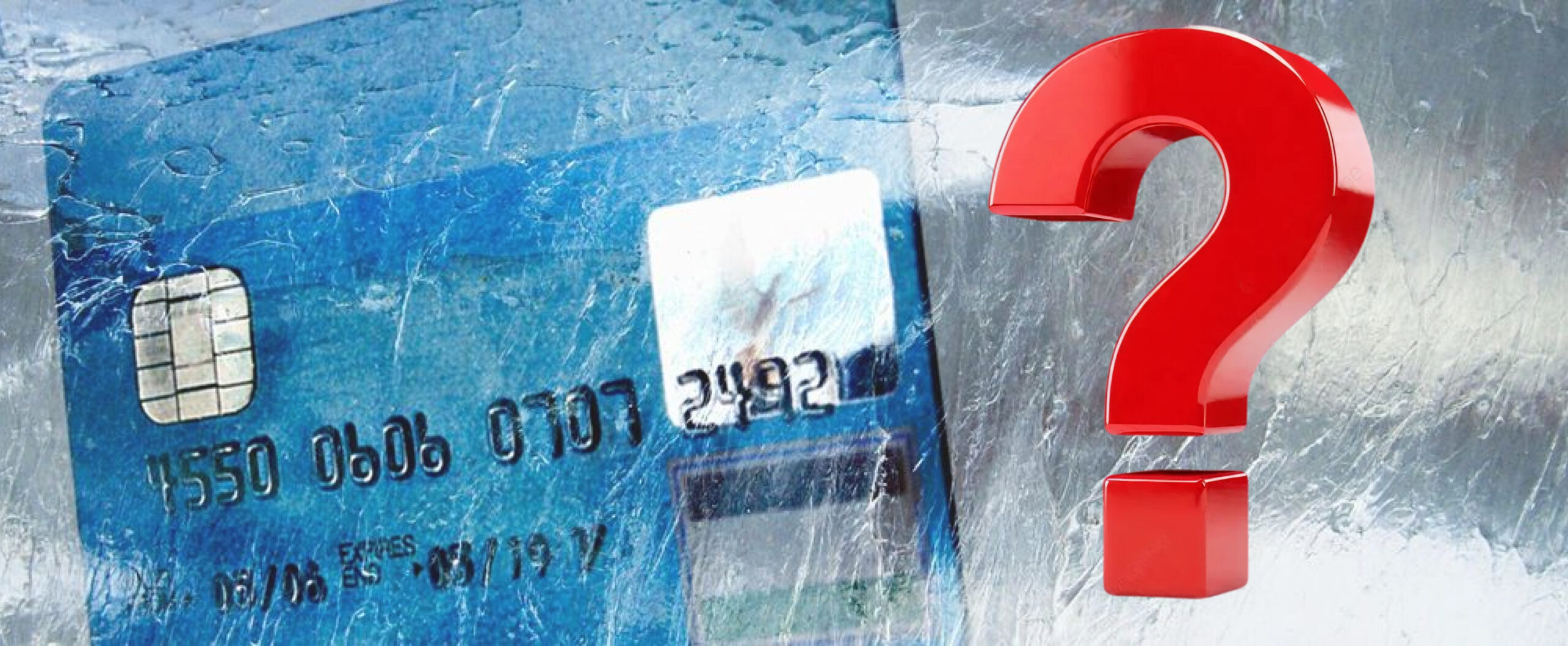
Bank accounts being frozen are stressful situations to be in. But don't panic, it is possible to rectify this.
Bank accounts being frozen are stressful situations to be in. But don't panic, it is possible to rectify this.

A student in his final year tried to pay his electricity bill online. He went onto his banking app, just as he had multiple times before. He entered the bill amount and then the OTP to pay. A few seconds later, he got an alert from his bank.
He read it expecting to see the money being debited. However, the transaction failed. He tried again. No success. After two more attempts, there was still no progress.
The student rushed to the bank in panic to understand exactly what the issue was. The staff at the bank informed him that his account had been frozen due to the cybercrime cell’s directive.
Such cases are quite common. But why do they happen? And what should you do if it happens to you? Read on to understand properly.
A bank account may get frozen for a number of reasons. These include unpaid debts or taxes and even non-compliance with KYC regulations. However, the most common reason for sudden freezing of accounts is receiving money that is tied to illegal activities.
While having your account frozen is stressful, it does not mean that you have done anything wrong. What happens is that the cyber police trace money chains across accounts as part of their investigation. When they see that money has been transferred from an account which is tied to illegal activity to another one, there is a chance it could be a money mule. They order the bank to freeze the account to prevent money from going further.
Even a small transaction from somebody doing illegal activities can raise an alarm. Aside from money which is randomly transferred, even the amounts that come from gambling apps or illegal video games are viewed suspiciously. Many people receive such money not being aware that it is illegal and there are consequences to it.
However, simply having money in your account which came from an illegal source is not a crime. Once the relevant authorities have verified that an account was not used in a suspicious manner, they will unfreeze the bank account.
Also Read:‘Money Sent To Wrong Number’ Scam
• Submit a request to your bank. The first and most crucial step towards reversing a frozen bank account is to contact your bank and submit a request. They will have a team who look at such cases and may be able to resolve the issue themselves. The bank can review all the transactions into your account to prove to the cyber police that you are innocent.
• Contact the Indian cyber cell. Sometimes an active investigation mandates that associated accounts remain frozen. In such a case, the bank may not be able to unfreeze the account. It will be necessary to directly approach the cyber police. When the account holder directly reaches out to them, it makes it much easier to establish their innocence and understand their intent.
• Consult a lawyer. If nothing else works out, then serious legal intervention is required. When neither the bank nor the cybercrime cell can resolve the situation, you will have to approach a lawyer. They will escalate the matter appropriately to ensure that your account is no longer frozen. Not having access to a bank account is a serious matter and you are well within your rights to take legal action if such a situation persists.
A frozen bank account is not a situation anybody wishes to deal with. Unfortunately, it can happen to anyone, due to circumstances outside of their control. However, taking proactive action is what is necessary to reverse the freeze on the account.
Escalate the matter to your bank and keep following up with them. In case they are unable to resolve it then contact the cyber police and explain the situation to them. If all else fails, then seek the help of a lawyer who handles cyber cases. Knowing that to do in this situation will save you from a lot of unnecessary stress.



Bedigisafe.com aims to be the go-to online repository of educational resources on digital safety for all generations, offering comprehensive guidance on topics such as social media safety, financial transactions, and fact-checking information related to online security.


Connect, share, make your friends and family safe.