Elders


Staying Safe Online: A Guide for Seniors
Senior citizens are commonly targeted by scammers due to unfamiliarity with technology and potential scams. It is critical to help them stay safe.
Senior citizens are commonly targeted by scammers due to unfamiliarity with technology and potential scams. It is critical to help them stay safe.


A 75-year-old senior citizen hailing from Colaba, Mumbai recently lost ₹11.1 crore to cyber fraudsters in a fake share trading scam. The fraudsters promised high returns through a trading app, slowly building trust. Over several months, the man kept investing, believing his profits were growing; until he realised he couldn’t withdraw any money. By then, it was too late.
Sadly, this is not a rare case.
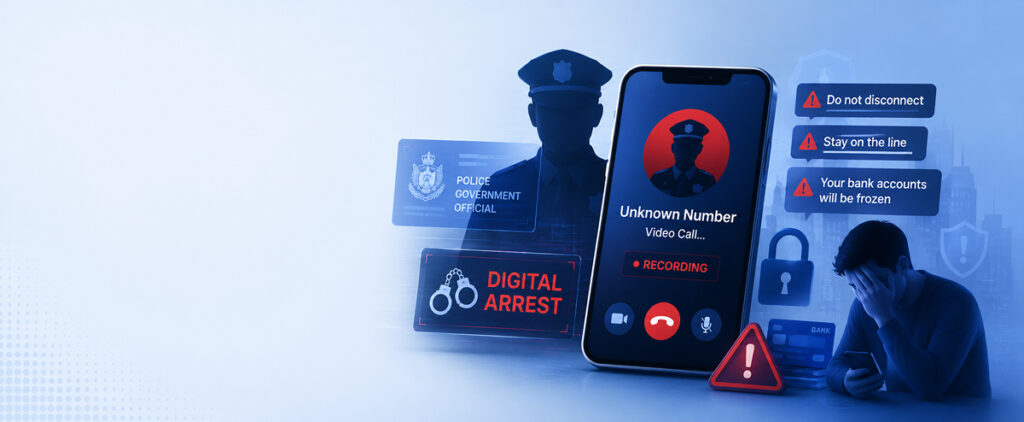
A retired woman received a call claiming a parcel in her name containing illegal items was stuck in Taiwan. She was told she’d be arrested if she didn’t cooperate. The scammer posed as a cop and put her under ‘digital arrest’, asking her to transfer money for “verification” of her identity and innocence. Over time, she sent ₹3.8 crore to various accounts. She only realised it was a scam when her daughter intervened. By then, it was almost too late.
This “digital arrest” scam is becoming alarmingly common. Scammers pose as police or government officials, telling victims they’re under investigation and must remain isolated, completely cut off from others. During this time, they pressure victims to send money for “investigation costs,” “clearance fees,” or “bail.”
Across India, more and more senior citizens are falling victim to such online frauds. The reason? Many elderly Indians, not born into the digital age, are now using smartphones, banking apps, and social media. While this brings convenience, it also makes them easy targets for fraud.
Some common tactics include:
Our elders took care of us and now it’s our turn. Online fraud is growing fast, but awareness can stop it in its tracks.




Bedigisafe.com aims to be the go-to online repository of educational resources on digital safety for all generations, offering comprehensive guidance on topics such as social media safety, financial transactions, and fact-checking information related to online security.


Connect, share, make your friends and family safe.