Common Scams


5 Ways You Could Get Cheated at Petrol Pumps
Key takeaway: Learn about 5 common petrol pump scams in India and discover how to protect yourself.
Key takeaway: Learn about 5 common petrol pump scams in India and discover how to protect yourself.
H ave you ever paid for fuel but received lesser than you should?
Have you inadvertently purchased adulterated petrol?
Have you ever discovered suspicious transactions on your bank account?
If the answer to any of these is YES, this article is for you.
Recent inspections by the Indian Government highlight why fuel measurement deserves consumer attention. In September 2026, Karnataka reported measurement violations at 101 of 805 fuel and diesel pumps. The permissible error cited was 50 ml per 10 litres.
The scams differ by market, but the objective is common: take advantage of a customer’s limited time, unfamiliarity or trust.
Here are 5 petrol pump scams to watch out for.
A manipulated dispenser machine may display the fuel quantity delivered as more than received by the consumer. Alternatively, malfunctioned equipment may result in short delivery even without deliberate tampering.
In May 2026, Rajasthan authorities reportedly sealed 43 defective nozzles at 25 petrol pumps following inspections that identified short delivery. Officials reported shortages of 30–60 ml per five litres at affected outlets.
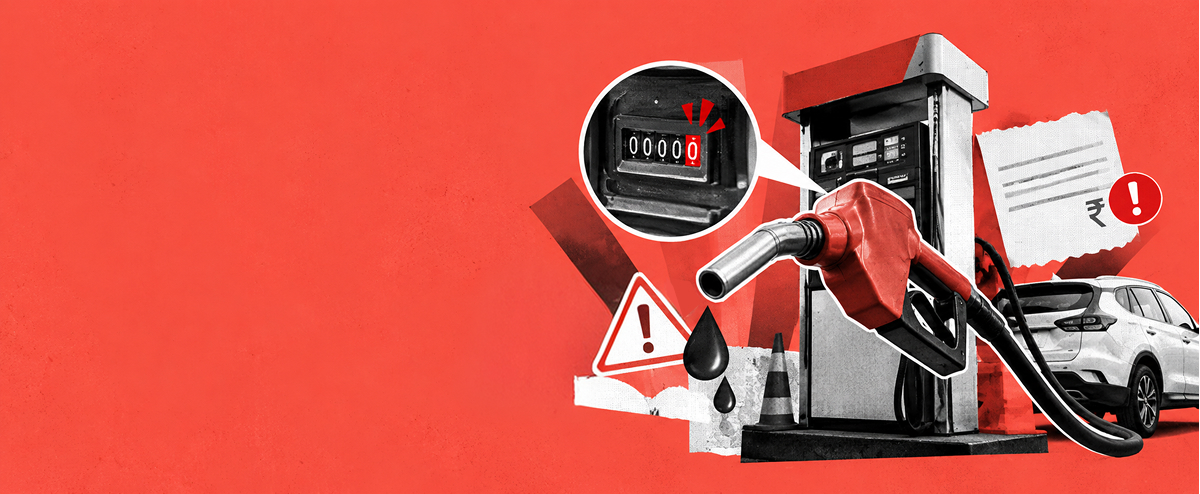
How to protect yourself – Ensure the meter reads zero and pay close attention to the quantity and price during fuelling.
Fuel adulteration involves mixing petrol or diesel with unauthorised substances, which can compromise fuel quality, vehicle components and performance.
India’s Ministry of Petroleum and Natural Gas has outlined inspection and enforcement measures to curb this serious malpractice.
How to protect yourself – Only purchase fuel from credible stations, retain invoices and seek a qualified mechanic’s assessment if the vehicle faces problems after refuelling.
Sometimes, there might be carefully concealed devices installed in payment terminals to access confidential card information, which can be misused for unauthorised purchases or financial theft.
How to protect yourself – Inspect the payment terminal for unusual attachments. Prefer contactless payments and monitor your bank statements for suspicious transactions. If needed, contact the bank to block the affected card and report unauthorised transactions.
Attendants might make exaggerated claims without justification about fuel quality, additives or premium fuel that will improve engine performance to urge customers to purchase more expensive petrol or diesel.
How to protect yourself – Refer the vehicle manufacturer’s fuel recommendations. Ask for the exact product being dispensed and price before agreeing to an upgrade and decline unnecessary add-ons.
Also Read: How to Recognize and Avoid Fake Investment Schemes
Billing and payment discrepancies usually occur when there is a mismatch between the bill amount and the amount collected, or when a customer is asked to pay for an unclear transaction.
How to protect yourself – Check the price advertised at the station, along with the dispenser number and reading. Confirm the amount before paying and request a receipt. For digital payments, verify the transaction in the banking app.
In conclusion, petrol pump fraud is a legitimate consumer protection concern. Understanding the warning signs and following the above-mentioned precautions can protect both your money and vehicle.
In India, you can raise complaints with the relevant oil marketing company, Legal Metrology Department, and even the National Consumer Helpline at 1915.
Remember, being an informed consumer is one of the strongest defences against fuel fraud.




Bedigisafe.com aims to be the go-to online repository of educational resources on digital safety for all generations, offering comprehensive guidance on topics such as social media safety, financial transactions, and fact-checking information related to online security.


Connect, share, make your friends and family safe.