Common Scams


How Property Brokers Scam People
Don't let property brokers con you in the name of selling property, here is how to stay safe from them.
Don't let property brokers con you in the name of selling property, here is how to stay safe from them.
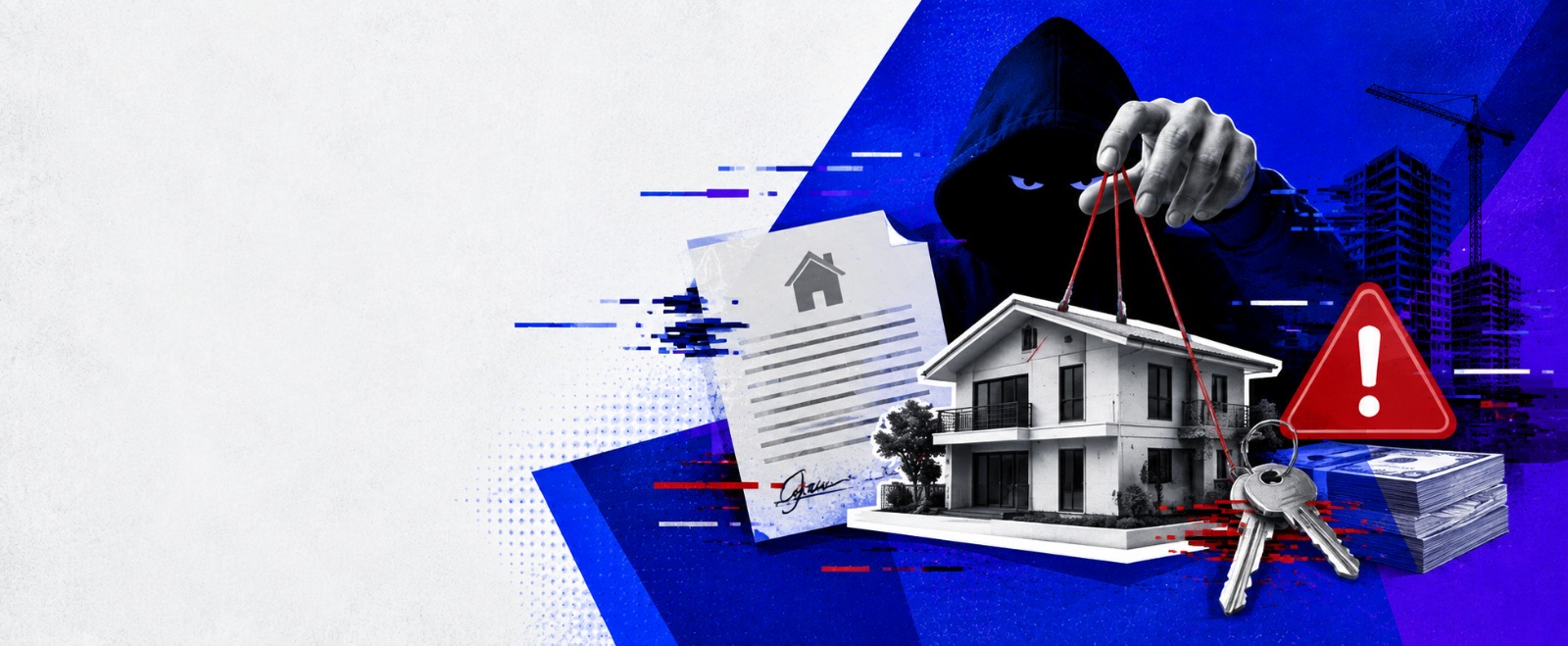
B uying a house is a dream for many but can quickly turn into a nightmare. and a property broker contacts you.
They share pictures of a beautiful house, and once you seem interested, they share the cost of the house. The broker says that the house is in demand, so whatever action is taken should be done soon. However, you realise later that the pictures shared were not of the same house the broker claimed it to be. It was pictures of somebody else’s house that the broker was pretending to sell to get money.
Some property brokers take advantage of people’s desire for a house at a better price and create urgency. They usually do so with the intention of extracting money from the victims. The people who are targeted are most often people who have just moved to a new place and hence don’t know the local property rates, or they are buying a house for the first time. Elderly people are also targeted. They are not only victims, but their property may also be used in the scam without their awareness.
Also read: What are real estate scams?
Urgency
Scammers often create panic and a sense of excitement in the victims. They keep repeating that there is less time left and to act immediately. The rush of it all can confuse the victim and lead to them acting without even thinking or checking for any discrepancy.
Pictures as proof
Pictures are often shared of the property as evidence. These may be generated pictures or photos of actual properties that the broker is not actually selling.
Hiking up/down of prices
Prices listed by the broker might sometimes be an exorbitant amount, whereas other times, the prices may be unusually low compared to market prices. The decreased value creates urgency in the homebuyer due to the fear of the price increasing, and tricks them into investing before even verifying anything.
Tag of a broker
Just the label of being a broker leads the homebuyer to trust the person and believe everything the other person is claiming. The scammers themselves speak in a way that convinces the victims of their authenticity.
1. Impersonating a broker: A broker may claim to be connected to a particular property or owner. However, upon further search, you would find out that there’s no connection at all.
2. False claims about the house: Similar to the previous method, the broker might send you false pictures of a house, claiming to be on behalf of the owner. But the house may not even be theirs.
3. In demand: The broker states that the property is actually in high demand and that if a payment isn’t made soon, the chance of having it may be lost. The payment requested is also unusually high. This creates a sense of urgency that stops you from thinking carefully.
4. Forged documents: In the process, the broker might show documents that will make the transactions appear official, but not all seemingly genuine-looking documents are authentic.
5. Repeated payment requests: There would be a never-ending demand for payments before you even get the property. These can be in the form of new taxes and charges popping up or extra fees being asked for.
1. Don’t give in to urgency: When things are hurried, our brain feels rushed as well into making a decision. This can actually be harmful for us and lead to us making impulsive decisions without thinking carefully.
2. Pause before a transaction. Financial transactions are important, and before making any large transaction, always ensure that you know the purpose and authenticity of it.
3. Verify and research: Property brokers who want to scam will look like any other brokers out there. There would be no outward sign marking them as different. It is up to us to verify their credentials, their experience and their claims regarding the property. Always research about the property by yourself too, using genuine websites or going to the location yourself. Never blindly trust the words of another person.



Bedigisafe.com aims to be the go-to online repository of educational resources on digital safety for all generations, offering comprehensive guidance on topics such as social media safety, financial transactions, and fact-checking information related to online security.


Connect, share, make your friends and family safe.