Common Scams


What are Donation Scams?
People genuinely want to help others. But that desire is exploited by those who want to make money through fraudulent means, which is why donation scams are so common.
People genuinely want to help others. But that desire is exploited by those who want to make money through fraudulent means, which is why donation scams are so common.
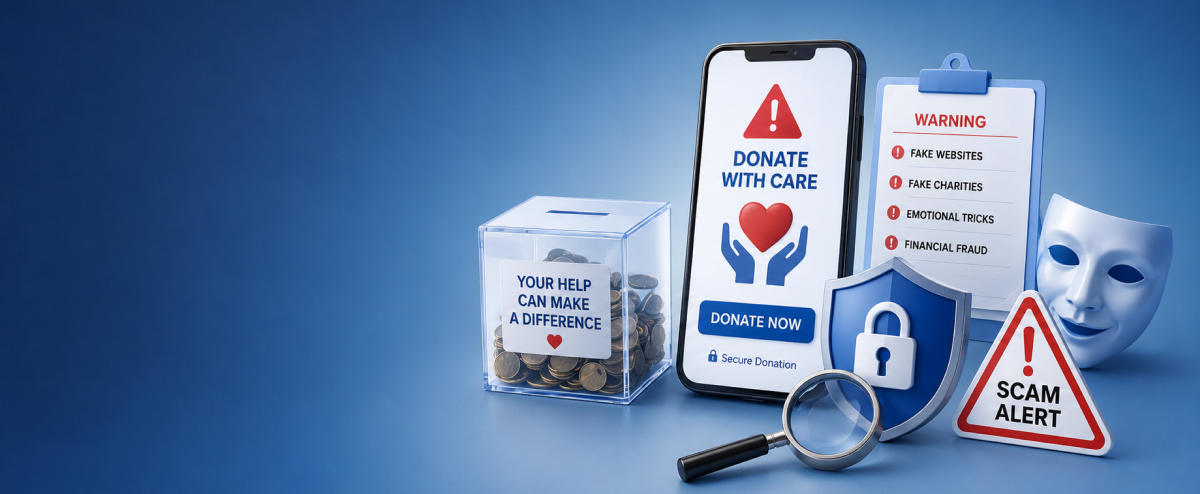
H ave you ever come across an Instagram story where someone is pleading for money because their relative needs an operation? It would usually say, “If you give me ₹500, my uncle’s life will be saved.” You might feel sympathy and end up paying, but often what happens is that this money goes directly into the person’s pockets instead, not for any operation. You end up being tricked. This is a donation scam.
We can see several instances of people asking for donations nowadays, especially on the internet, in the age of social media providing further reach. However, some of these might be a ploy to scam innocent people with the facade of a donation. The scammer might act like he needs the money for a good cause or for something dire, but once paid, the money may be used for his own benefit. Sympathy and kindness are used for one’s own profit.
Let us explore how these scams operate.
Donation is essentially used to gather money for good causes or for people in need. A few examples are helping natural disaster victims, charity for unprivileged people or orphans, contributing for someone’s medical treatment, etc. This may be initiated by an individual or an organisation.
The facade of a donation is usually used to get a lot of people to contribute money. The scammer often builds a story that is fake or exaggerated. They may put up a pretence of their relative being very sick, an organisation collecting money for the welfare of children or other situations like these.
It’s important to understand that not all pleas for donation are necessarily false or bad. Donation scams usually have little to no proof of where the money is going, and they do not elaborate either. Real donation causes will always explain how the money will be used, and they won’t hesitate to answer questions. Donation scams also use pressure to make you act immediately, to create a sense of urgency and have you pay quickly.
1. Everything is vague. They refuse to answer questions properly about where the money will go, the process or how it will be used. They can’t elaborate on the cause or the organisation they may claim to be on behalf of.
2. The story would be typed up unprofessionally. This may include spelling errors, factual inconsistencies, or weak grammar.
3. Pressurising through different means. They will force you to forward messages and pressurise you to pay as soon as possible.
Most of these donation scams play out the same way any real donation cause does. There is a sad story that makes people feel emotional, a donation is needed, and pictures are added to invoke emotions of pity and goodwill. The stories created are also common ones we get to see on actual donation pleas, such as medical emergencies, animal welfare, religious causes, etc. However, once you pay, updates from the scammer become non-existent and they disappear.
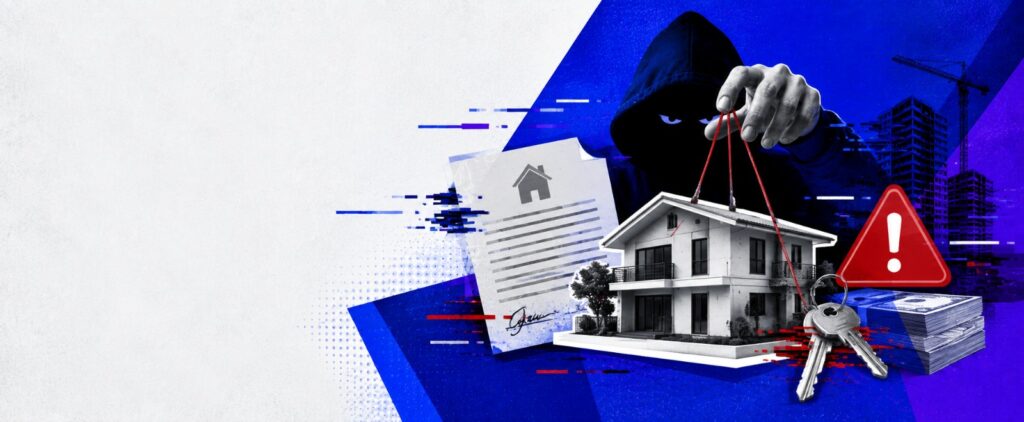
Also Read: What are Real Estate Scams?
Victims want to help. They feel sad and want to contribute in whatever way they can to help the situation. For most of them, the thought of helping comes first instead of suspicion.
The pictures shared invoke sympathy. They are photos of people crying, someone lying in bed with a grave illness or children with sad eyes. People want to take responsibility and show kindness at the end of the day.
1. Don’t act based on instinct. Stop and think properly. Research the organisation the recipient claims to be working under. Verify details such as the dates and the cause.
2. Check the payment platform. Most often, actual donation causes use verified payment spaces that are created for purposes such as fundraising and charity. Donation scams will often use unknown spaces or personal bank details.
3. Analyse the photos. Pictures used in donation scams are often taken from the internet, or you may see them on someone else’s story or message already. This should immediately raise your doubts.
4. Check with authorities. If the donation is regarding a medical emergency, check with the hospital that the recipient mentions. Call the NGO the donation will be going to.
Suspicion is not always a bad thing, and in cases where money may be involved, it’s always responsible to verify.
1. Report to your bank about the recent transaction made. Make it immediate.
2. Gather proof. These may include social media posts, messages, as well as transaction receipts.
3. File an official report to the National Cyber Crime Reporting Portal.
The sooner you act, the better. Further people can be saved from being scammed, and you may have the opportunity to have your money returned.
Unfortunately, scams occur even in the name of donations, something meant to relieve people under financial stress, or to help causes of genuine goodwill. However, that means you should also be careful and learn to analyse everything you see on the internet, including pleas for donations. This is for your own financial and digital safety. It’s good to help people in need, but it’s also important to know whether the cause you are helping is actually genuine or just for someone’s personal benefit.



Bedigisafe.com aims to be the go-to online repository of educational resources on digital safety for all generations, offering comprehensive guidance on topics such as social media safety, financial transactions, and fact-checking information related to online security.


Connect, share, make your friends and family safe.