Common Scams


What is the Income Tax Refund Scam?
Income tax refunds are always welcomed by people. But if one is not careful, a refund message can easily lead to loss of money.
Income tax refunds are always welcomed by people. But if one is not careful, a refund message can easily lead to loss of money.
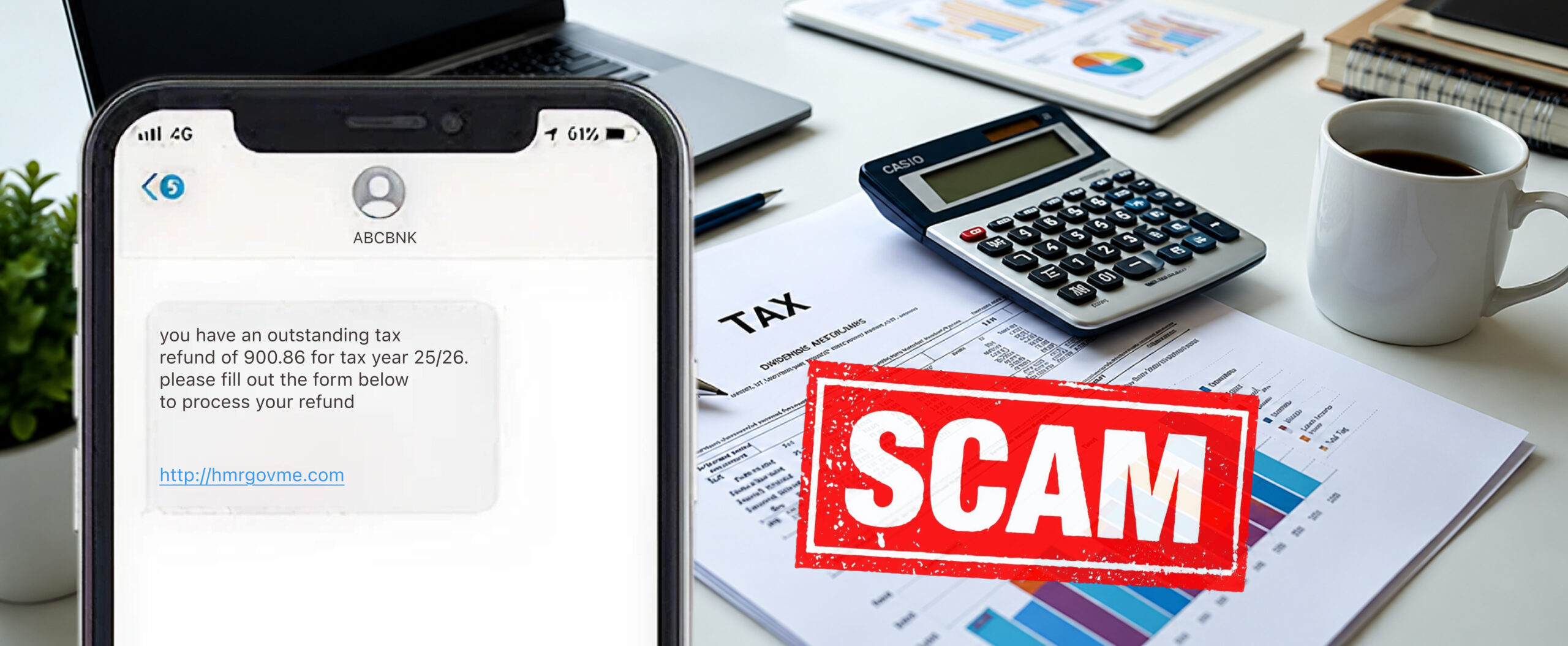

A senior IT director had been anxiously waiting for his income tax refund. It had been months and he had been wondering where it was. When he saw a message that he would be receiving it, he was overjoyed.
Upon opening the message and reading it in detail, he saw that urgent action was needed from his end. Not wanting to experience any further delays, he clicked on the link given and followed the message’s instructions.
He entered his details and waited tensely. Suddenly, an alert came from his bank. Excitedly, he opened it, expecting it to be the refund credited to his account. But in a split second, his excitement transformed into horror.
Instead of a credit, his account had been debited of more than a lakh. After the shock wore of, he soon realized that he had fallen victim to a fraud and the refund was completely fake. This is exactly how an income tax refund fraud took place.
The income tax refund scam preys on the expectations of income taxpayers who are waiting for their refunds. The scam comes in the form of messages or emails impersonating the Income Tax Department.
This message or email states that the person will be receiving a tax refund very clearly. However, there will be a line somewhere within it stating that urgent action is needed and penalties will be imposed if ignored. This is done to cause panic in the mind of whoever is reading it.
In that state of panic, they believe whatever is written and hurry to do whatever they need in order resolve the situation and receive their refund. The supposed communication from the Income Tax Department contains a link in which the person must enter their bank account details.
After entering all the details requested, the page closes and within seconds if not minutes, money is debited from the person’s bank account.
Also Read: 5 Transactions You Should Not Do Digitally
• Strange looking URLS. A message or email may look genuine, with an actual logo and proper design. It can appear convincing and official. However, the most common element which gives away the fact that it is fraudulent is the URL used. It will always have a URL that is either completely random or have letters or numbers at the end which make no sense. It is important to look at any URL which you receive in any communication and only click once you have verified thoroughly.
• Wording indicating urgency. The objective of most scams, especially tax refund scams is to create a sense of urgency that makes a person tense and more likely to make rushed decisions. Fear is further pushed by warning of consequences such as loss of refunds or having to pay penalties. Messages will use wording such as “immediate action needed” to further emphasize this urgency.
• Unexpected refund message. If you are not due for any income tax refund, then any refund assured to you is certainly bogus. Even when somebody is notified, it always comes through official channels. So, if there is a refund that suddenly comes months after filing, it should never be trusted.
• Do not be in a rush to handle refund updates. Action related to income tax refunds should not be done in a rush. While there are timelines given for such actions, they typically stretch for days and do not need to be finished in just a few minutes. If there is any update, take time to actually read it and understand it carefully before taking any action.
• Check for refunds on the official Income Tax Portal. The official income tax portal is the most reliable platform to check for refunds and any updates related to them. This is the most trusted site to visit to get to know if you are receiving a refund or not. The website allows you to create an account and you can track progress if there is any refund.
• Make sure refund alerts have a Document Identification Number. All documentation from the income tax department such as the refund will have a Document Identification Number (DIN). This is a sign of such documentation being official. If any alerts lack a DIN, they should just be ignored.
Tax refunds will only come through verified and official channels. Anybody else claiming to offer a refund is just trying to scam you. A refund is always something to carefully analyze, never try to be hasty to get one, otherwise you may end up losing money.




Bedigisafe.com aims to be the go-to online repository of educational resources on digital safety for all generations, offering comprehensive guidance on topics such as social media safety, financial transactions, and fact-checking information related to online security.


Connect, share, make your friends and family safe.