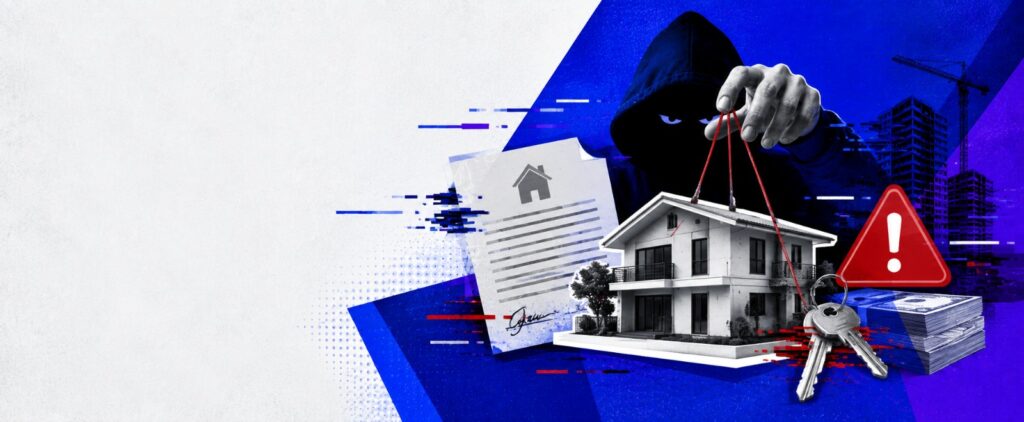
Common Scams



W e are already two weeks into 2026. Many of us have made resolutions which we will try our best to follow. From fitness to self-improvement to just taking time to relax, people have made resolutions in multiple different areas.
There is one though which people cannot afford to neglect now. Especially in today’s environment. It is cyber safety.
In 2026, it is more critical than ever before to ensure the highest level of cyber safety. According to a report, over 50 crore rupees have been lost through digital frauds in the past six years. Such a statistic is incredibly concerning and highlights how enormous of an issue cyber fraud has become. Given this, cyber safety must be everyone’s key priority for 2026. Here are some of the best practices to maintain your digital safety.
Never Click On Any Suspicious Links
Clicking on unknown links is one of the most common ways through which people lose their money. Using links is the most common tactic of phishing scams, where emails or messages are sent, impersonating established entities. The victim is urged to click on a link to complete an action. Once this is done, malware is often installed, through which money can be stolen.
To avoid this, don’t click on any URLs blindly. Check the spelling, structure, etc. An actual verified site will have one which is crisp and clear. Additionally, they won’t send you a link unless there has been any action initiated by you.
Don’t Answer Video Calls From Unknown Numbers
A scam which has gotten more popular in the last few years is the video call scam. The scammer will video call somebody and take a screenshot of their face, which they morph and then use to blackmail the victim. Very often, there is a scantily clad woman on the call, to put the person in a compromising position.
Only answer video calls from your trusted contacts. It is highly unlikely that an unknown person will have a good reason to video call you.
Set Secure Passwords
Passwords are the first line of defence in cyber security. A strong password helps keep your data safe. Ideally, a password should be over ten characters, using both uppercase and lowercase letters. Numbers and special characters should be included as well. Avoid repeating passwords as much as possible.
Also Read: Think Before You Share: Social Media Safety Tips for Teens
Enable Two Factor Authentication
A password is powerful but sometimes isn’t enough on its own. This is where an additional layer of security comes in. An OTP after the password ensures that only the account holder can log in. Having a password as well as OTP to login is known as two factor authentication.
Don’t Download APK Apps
APK apps are generally unverified ones that install malware and gain access to all of your data. This includes your contacts, files, and internet activity. Through this, unauthorized transactions can be made on your device.
Any app that you download should only be through your device’s play store. The files you download here are verified and secure.
Verify The Sender Of Every Email
Email is one of the most common mediums for cybercrime. Whether it’s a fake job, fake court summons, or claims of a hacking attempt, thousands of fraudulent emails are sent every day.
Always check the address if you are confused about an email. Most of the time, the address has a random name, with numbers mixed in it and doesn’t have the name of any organization in it.
Keep Updating All Your Apps
Most apps will have periodic updates. These updates tackle performance issues, bugs, and add newer security systems. Not having the latest update means possibly missing out on those systems, which can put you at greater risk. While many apps automatically update, it’s still a good practise to occasionally visit the app store and ensure all apps are up to date.
Be Careful Of What You Share Online
Avoid sharing too many personal details on social media. If possible, try and keep your accounts private. Don’t share any personal details such as your contact number or address anywhere. People can easily use these for unsavoury purposes.
Online fraud is only increasing day by day. But that doesn’t mean you need to be the latest statistic. The danger will always be present but can easily be countered. As long as you have the right security measures in place and stay vigilant, you don’t have to worry about being the next victim.

Related Articles